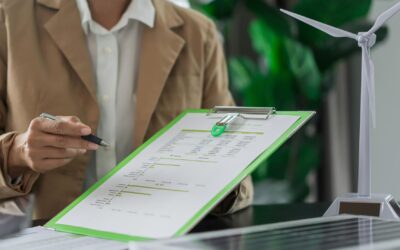
Blog

Explore Our Blog Categories

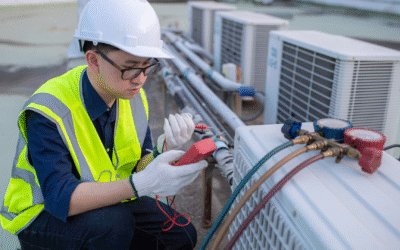
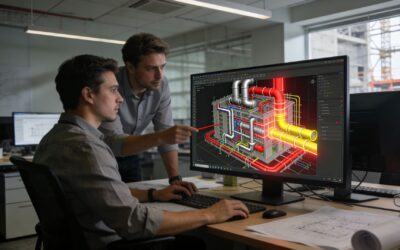
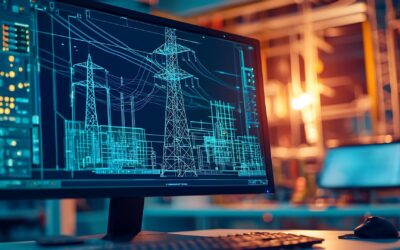
Top HVAC Design Trends for Commercial Buildings in 2025

As we move deeper into 2025, commercial building owners and facility managers are placing greater emphasis on energy efficiency, sustainability, and occupant comfort. These priorities are driving innovation in heating, ventilation, and air conditioning (HVAC) design....

DSA Process Guide for Education MEP Projects

DSA Process Guide for Education MEP Projects

Key Highlights The Division of the State Architect (DSA) reviews and approves MEP systems for all public K-12 schools and community college facilities in California. DSA plan check covers compliance with the California Building Code, Title 24 Part 6 energy standards,...

OSHPD HCAI Process Guide for Healthcare MEP Projects

OSHPD HCAI Process Guide for Healthcare MEP Projects

Key Highlights California's HCAI (formerly OSHPD) Facilities Development Division reviews and approves MEP systems for all general acute care hospitals, skilled nursing facilities, and certain other regulated healthcare facilities. HCAI-regulated facilities must...

Commissioning vs Retro-Commissioning: The Complete Explainer

Commissioning vs Retro-Commissioning: The Complete Explainer

Key Highlights Commissioning (Cx) verifies that new building systems are designed, installed, and operating per the owner's intent; retro-commissioning (RCx) applies the same process to existing buildings to recover performance that has drifted over time. CALGreen...

California Title 24 MEP Compliance Guide

California Title 24 MEP Compliance Guide

Key Highlights Title 24 Part 6 is California's mandatory energy efficiency standard, updated every three years by the California Energy Commission. MEP systems — HVAC, electrical lighting, and plumbing hot water — are the primary targets of Title 24 compliance...
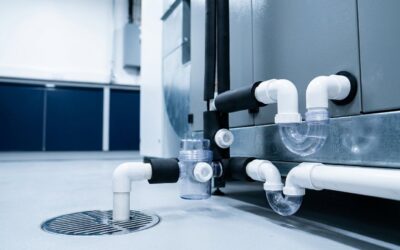
CALGreen MEP Guide: Mandatory Measures and Tier Requirements

CALGreen MEP Guide: Mandatory Measures and Tier Requirements

Key Highlights CALGreen (Title 24 Part 11) is California's mandatory green building code covering water efficiency, indoor air quality, materials, and site design. Nonresidential mandatory measures require at least a 20 percent indoor water use reduction below the...
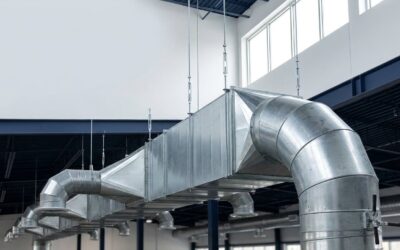
How Fire Safety Engineering Integrates with MEP Systems

How Fire Safety Engineering Integrates with MEP Systems

Introduction: Fire Safety as a Systems-Level Discipline Fire safety is no longer confined to sprinklers and alarms. In modern buildings, Fire Safety Engineering serves as a coordinated discipline that relies on the seamless integration of mechanical, electrical, and...

How Energy-Efficient MEP Design Reduces Operating Costs

How Energy-Efficient MEP Design Reduces Operating Costs

Introduction: Operating Costs as the Hidden Cost Driver Construction budgets often receive the most attention during development, but operating costs quietly determine a building’s long-term financial performance. Energy bills, maintenance expenses, and system...
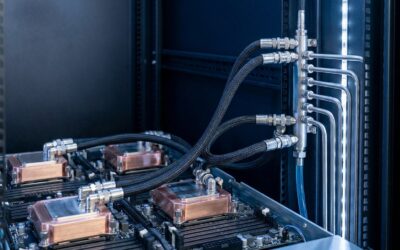
What Sets High-Quality MEP Engineering Services Apart

What Sets High-Quality MEP Engineering Services Apart

Introduction: The Importance of Premium MEP Services Modern construction projects depend heavily on the seamless integration of mechanical, electrical, and plumbing systems. High-quality MEP Engineering Services ensure not only operational efficiency but also timely...

How to Find the Best Solar PV Design Consultant

How to Find the Best Solar PV Design Consultant

Introduction: Why a Solar PV Design Consultant is Crucial Selecting the right Solar PV Design Consultant can dramatically influence the success of your solar project. An adept consultant not only ensures system efficiency but also maximizes long-term savings while...
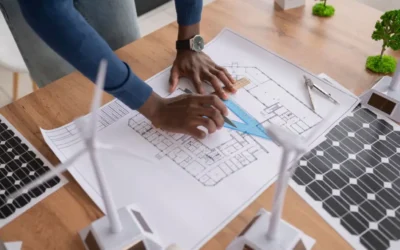
MEP Design Considerations for Schools and Universities

MEP Design Considerations for Schools and Universities

Educational facilities are more than just buildings—they are dynamic environments that shape the learning experience, influence productivity, and promote well-being. From classrooms and labs to dormitories and auditoriums, schools and universities require...
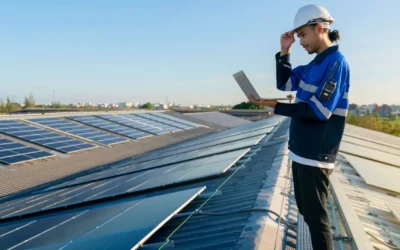
MEP Solutions for High-Rise Residential Projects

MEP Solutions for High-Rise Residential Projects

High-rise residential buildings are the heartbeat of modern urban living—vertical communities that combine functionality, comfort, and sustainability within limited footprints. Yet, behind the elegant architecture and panoramic views lies a complex web of systems that...

How Electrical Design Impacts LEED Certification

How Electrical Design Impacts LEED Certification

Sustainability has become the cornerstone of modern building design, and LEED (Leadership in Energy and Environmental Design) certification is one of the most recognized ways to measure it. While architectural and mechanical design often take center stage in achieving...

Commercial Building MEP Upgrades That Improve ROI

Commercial Building MEP Upgrades That Improve ROI

In commercial real estate, profitability doesn’t only come from location and occupancy rates—it’s also driven by building performance. Outdated Commercial building MEP mechanical, electrical, and plumbing (MEP) systems can silently drain revenue through inefficiency,...

Code-Compliant Fire Safety Engineering in California

Code-Compliant Fire Safety Engineering in California

Fire safety isn’t just a building requirement in California—it’s a matter of public trust, resilience, and legal responsibility. With the state’s history of wildfires, dense urban environments, and stringent building codes, fire protection engineering plays a crucial...

Top HVAC Design Trends for Commercial Buildings in 2025

Top HVAC Design Trends for Commercial Buildings in 2025

As we move deeper into 2025, commercial building owners and facility managers are placing greater emphasis on energy efficiency, sustainability, and occupant comfort. These priorities are driving innovation in heating, ventilation, and air conditioning (HVAC) design....