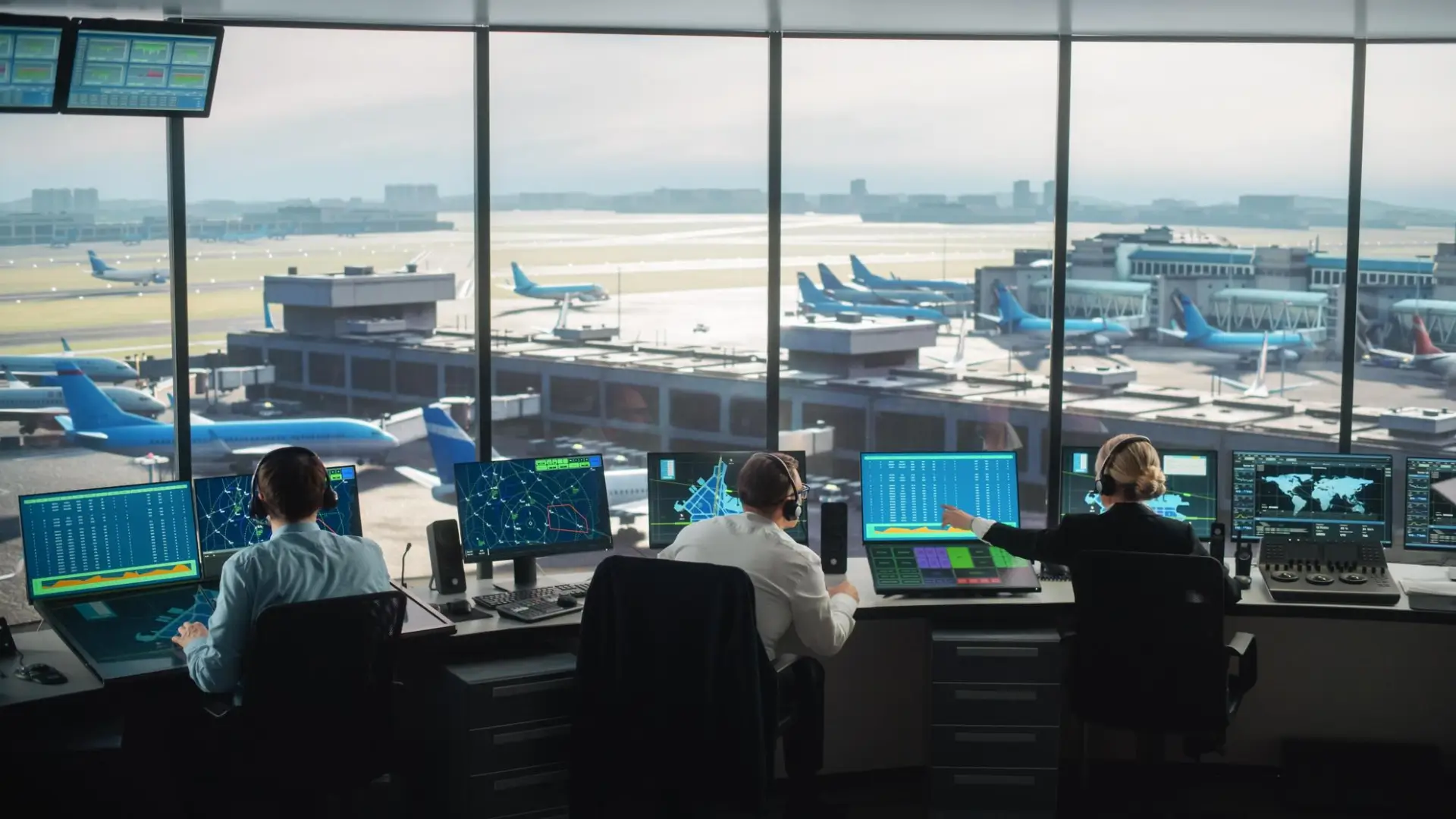
Introduction: Airports as Engines of Connectivity
Airports are more than transit hubs—they are complex ecosystems that require seamless engineering to serve millions of passengers, support nonstop operations, and meet strict safety standards. From expansive terminals in international gateways to regional aviation facilities, MEP (Mechanical, Electrical, and Plumbing) design services ensure that airports remain efficient, sustainable, and operational around the clock.
Budlong’s experience in aviation projects combines technical expertise with innovation, delivering infrastructure that is resilient, cost-effective, and capable of supporting the demands of modern air travel.
The Unique Engineering Demands of Aviation Facilities
Airports face challenges unlike any other building type. Terminals must accommodate fluctuating passenger volumes, HVAC systems must handle massive climate loads, and electrical distribution must support everything from baggage handling systems to security equipment. Plumbing networks serve thousands of fixtures while adhering to conservation goals.
On top of that, aviation facilities must be designed for uninterrupted operations, with redundant systems ensuring safety and efficiency. Meeting these challenges requires MEP designs that are not only technically advanced but also carefully aligned with sustainability targets and regulatory compliance.
Budlong’s Approach to MEP Design in Airports
Budlong applies a holistic and future-focused strategy when designing MEP systems for aviation. Our mechanical solutions prioritize energy efficiency and air quality, with HVAC systems that adapt to passenger loads and weather variations. Electrical engineering emphasizes redundancy and resilience, incorporating renewable energy sources, microgrids, and emergency backup systems. Plumbing is designed for conservation, integrating water reuse systems to reduce airport consumption while maintaining passenger comfort.
By bringing these systems together under an integrated design framework, Budlong helps aviation facilities achieve operational excellence while meeting global benchmarks for sustainability.
Key MEP Systems in Aviation Projects
| System | Design Consideration | Impact on Airport Operations |
|---|---|---|
| HVAC | Adaptive systems with advanced filtration | Passenger comfort, air quality, and energy efficiency |
| Electrical | Redundant supply with renewable integration | Reliable power for nonstop operations |
| Plumbing | Water reuse and conservation strategies | Lower consumption and operational costs |
| Automation | Building management systems (BMS) | Real-time monitoring and performance optimization |
Sustainability in the Aviation Sector
Airports are under increasing pressure to reduce their environmental impact. California and international aviation authorities have set ambitious goals for carbon neutrality, making sustainable MEP design a critical priority. Budlong supports these goals through renewable-ready electrical designs, low-flow plumbing systems, and smart automation platforms that minimize energy use.
These measures not only reduce emissions but also improve operational efficiency, giving airports the ability to handle growth without compromising sustainability.
Engineering Resilience and Safety
Resilience is non-negotiable in aviation. Budlong designs MEP systems with built-in redundancy, ensuring operations continue even during power outages or emergencies. Seismic readiness is a particular focus in California, where structural safety and uninterrupted operations are critical. Through careful planning, our MEP designs provide airports with the reliability they need to remain operational under all conditions.
Why Airports Choose Budlong
Budlong’s advantage lies in understanding both the complexity and scale of aviation projects. We bring together engineering expertise, local compliance knowledge, and a deep commitment to innovation. From regional terminals to major international facilities, our team delivers designs that keep people moving, businesses thriving, and communities connected.
Conclusion: Shaping the Airports of Tomorrow
As air travel continues to expand, airports must balance efficiency, sustainability, and resilience. Through advanced MEP design services, Budlong helps aviation facilities meet these demands with infrastructure that is future-ready and environmentally responsible.
By integrating smart systems, renewable energy, and resilient designs, Budlong plays a central role in shaping the next generation of airports—engineering efficiency where it matters most.