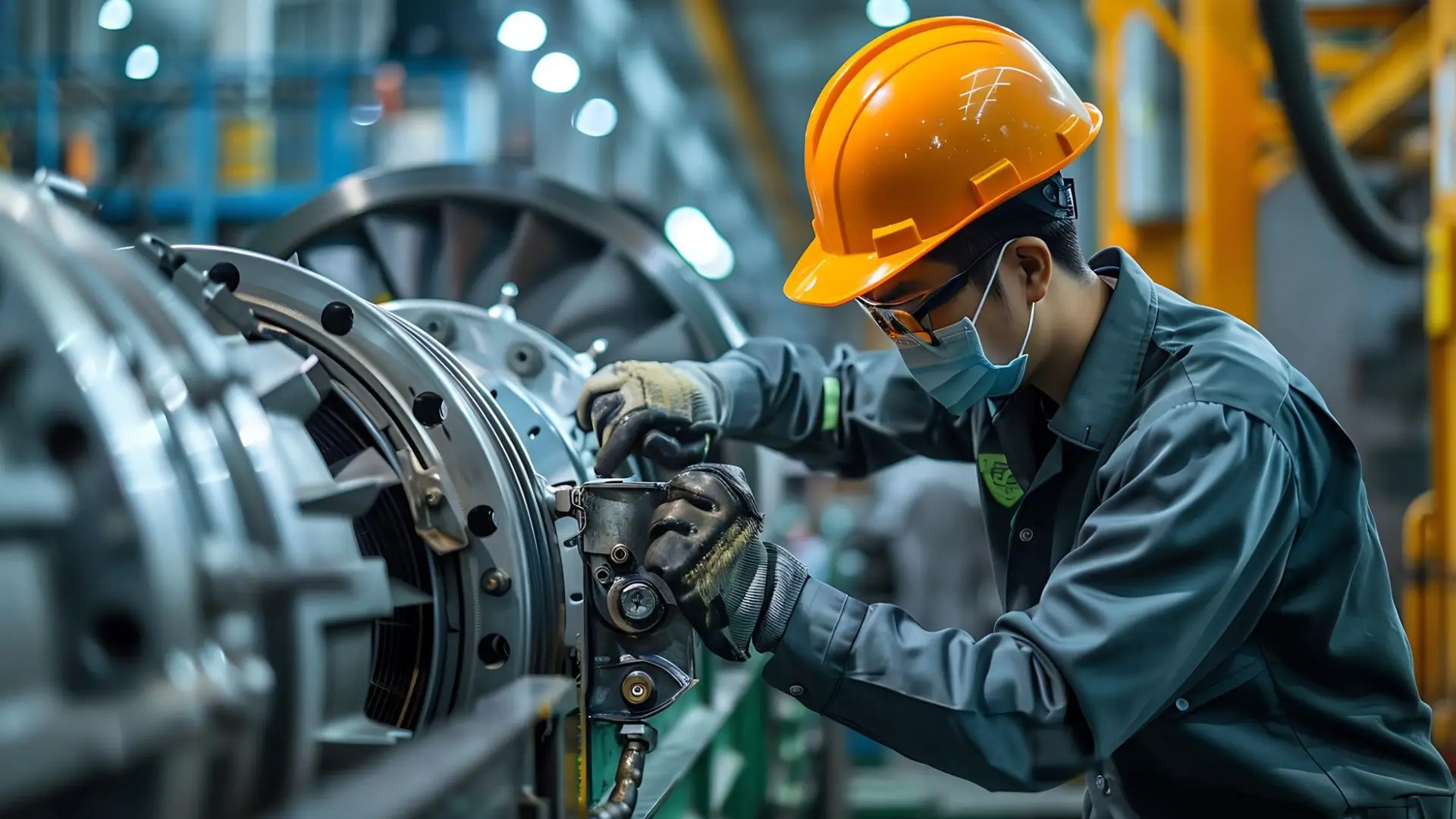
Introduction: Why Complexity Demands Advanced Mechanical Engineering
Complex buildings are defined by competing demands. High occupancy, specialized equipment, continuous operation, and strict performance standards all converge within a limited physical footprint. In these environments, a conventional approach is rarely sufficient. A well-conceived Mechanical Engineering Solution becomes essential to balance comfort, efficiency, resilience, and long-term operational stability.
Defining Complexity in Modern Building Environments
Complexity emerges when buildings must support diverse functions simultaneously. Hospitals, laboratories, data centers, aviation facilities, and mixed-use developments all present layered operational requirements. Each space may demand unique temperature control, ventilation rates, and redundancy. A tailored Mechanical Engineering Solution addresses these overlapping conditions without creating inefficiencies or conflicts.
The Role of Mechanical Engineering Solution in High-Performance Design
A Mechanical Engineering Solution defines how energy, air, and thermal comfort are distributed throughout a facility. High-performance design relies on systems that respond dynamically to load variation rather than operating at static capacity. This approach improves efficiency while maintaining environmental consistency across diverse spaces.
Early Mechanical Planning for Complex Facilities
Early planning is critical in complex environments. Mechanical systems often dictate ceiling heights, shaft dimensions, and equipment room locations. Introducing a Mechanical Engineering Solution during conceptual design allows system requirements to shape architectural and structural decisions, reducing downstream rework and spatial compromise.
Thermal Zoning Strategies in Large and Dense Buildings
Thermal zoning is a cornerstone of effective mechanical design. Large buildings rarely operate uniformly. A Mechanical Engineering Solution that incorporates multiple zones, variable airflow, and localized control ensures each area receives only the energy it requires. This reduces waste while improving occupant comfort.
Airflow Management and Indoor Environmental Control
Air distribution becomes increasingly challenging as building density increases. Laboratories, healthcare spaces, and public facilities require precise airflow patterns to maintain safety and comfort. A refined Mechanical Engineering Solution balances pressurization, filtration, and ventilation rates to meet performance criteria without excessive energy consumption.
Mechanical Engineering Solution for Energy-Intensive Operations
Some environments operate around the clock or support energy-intensive processes. Data centers, industrial facilities, and research labs fall into this category. A Mechanical Engineering Solution in these settings emphasizes heat rejection efficiency, load diversity, and energy recovery to control operating costs while maintaining reliability.
System Redundancy and Reliability Planning
Downtime is unacceptable in many complex buildings. Mechanical system failures can halt operations or compromise safety. A resilient Mechanical Engineering Solution incorporates redundancy through parallel equipment, backup distribution paths, and fail-safe controls. These strategies ensure continuity during maintenance or unexpected disruptions.
Integration with Structural, Electrical, and Plumbing Systems
Mechanical systems cannot be designed in isolation. Integration with structural, electrical, and plumbing systems is essential to avoid conflicts and inefficiencies. A coordinated Mechanical Engineering Solution aligns ductwork, piping, power distribution, and equipment loads into a unified system that performs predictably.
Smart Controls and Adaptive Mechanical Systems
Modern buildings generate vast amounts of operational data. A contemporary Mechanical Engineering Solution leverages sensors, automation, and analytics to adapt system performance in real time. Adaptive control strategies improve efficiency, identify anomalies early, and support continuous optimization rather than static operation.
Commissioning and Lifecycle Optimization
Even the most sophisticated design requires validation. Commissioning ensures the Mechanical Engineering Solution performs as intended at turnover. Ongoing optimization maintains that performance as building use evolves. Regular tuning and data review prevent efficiency drift and extend system life.
Delivering Resilient Mechanical Engineering Solutions at Scale
Complex building environments demand mechanical systems that are robust, flexible, and efficient. A well-executed Mechanical Engineering Solution reduces risk, controls energy use, and supports long-term operational success. Firms with deep experience in integrated, multidisciplinary design—such as Budlong—demonstrate how thoughtful mechanical engineering transforms complexity into controlled, high-performing environments.