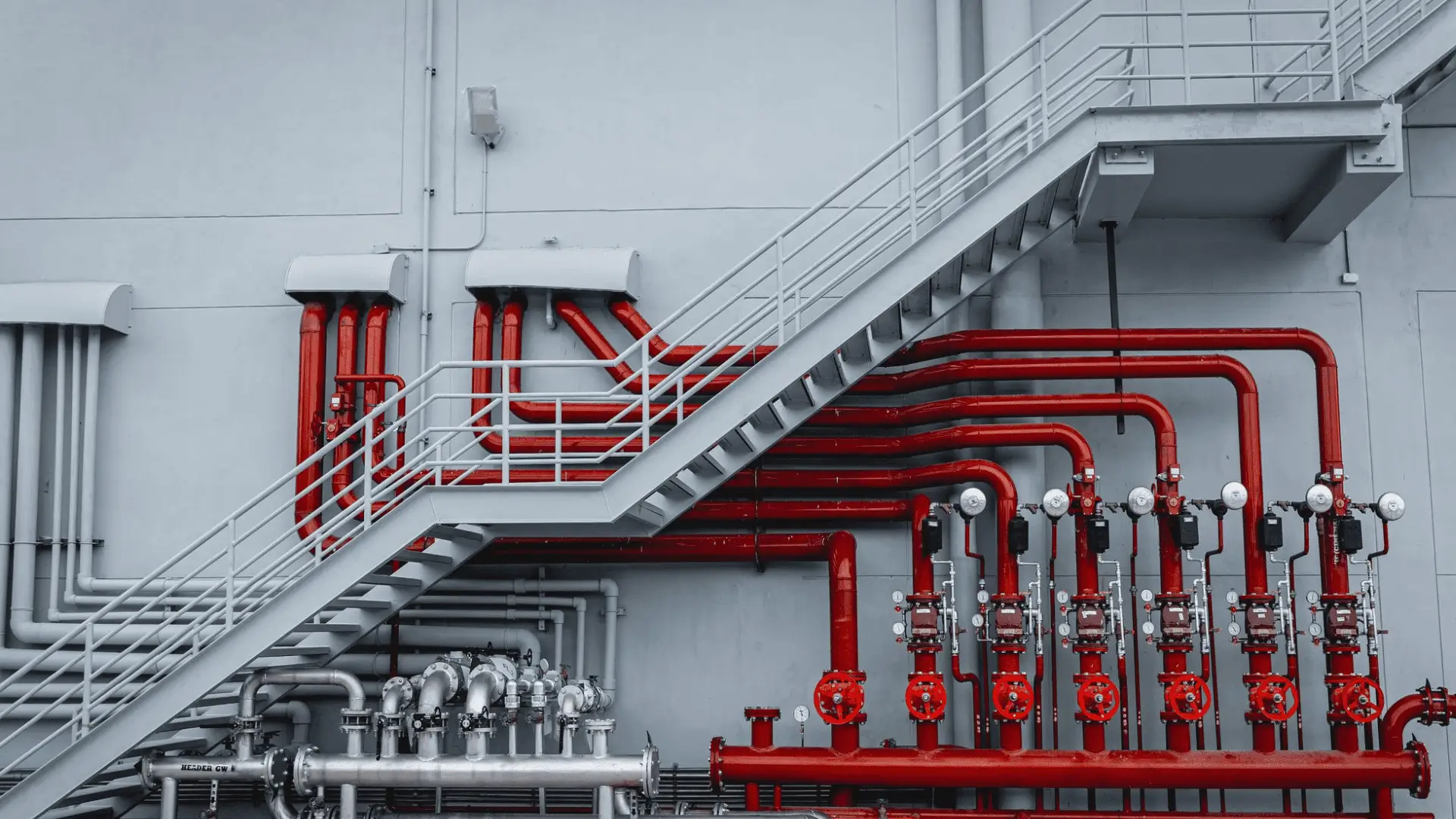
Introduction
When it comes to modern construction, safety is non-negotiable. One of the most critical aspects of building design is Fire Protection Engineering—a discipline that ensures people, property, and operations are protected from the devastating impacts of fire. From advanced suppression systems to compliance with building codes, fire protection engineers play a pivotal role in safeguarding the built environment.
At Budlong, we view Fire Protection Engineering as both a science and an art—integrating safety, functionality, and sustainability into every project.
What Is Fire Protection Engineering?
Fire Protection Engineering involves applying engineering principles to prevent, control, and mitigate fire hazards. This includes designing systems that detect, contain, and extinguish fires while ensuring safe evacuation routes. The discipline spans:
- Fire alarm and detection systems
- Fire suppression systems (sprinklers, gas, foam)
- Smoke control and ventilation design
- Emergency egress planning
- Building code compliance and life safety evaluations
Budlong’s expertise ensures that these elements work seamlessly together to provide comprehensive protection.
Why Fire Protection Engineering Matters for Modern Buildings
Fires can cause catastrophic losses—not just in terms of property damage but also business continuity and human life. Modern structures such as hospitals, data centers, and high-rise buildings demand sophisticated solutions. By applying fire protection engineering principles, we help facilities:
- Reduce risks of ignition and fire spread
- Protect high-value assets and critical equipment
- Ensure compliance with NFPA, IBC, and local codes
- Improve occupant safety and evacuation outcomes
Common Fire Protection Engineering Systems
Every facility requires a tailored approach. Below is an overview of key systems used in Fire Protection Engineering:
| System Types | Functions |
|---|---|
| Fire Detection and Alarm Systems | Provide early warnings and notify occupants and responders |
| Automatic Sprinkler Systems | Control or extinguish fires through water distribution |
| Clean Agent Suppression Systems | Deploy gases such as FM-200 in areas with sensitive equipment |
| Smoke Control Systems | Limit smoke spread to ensure safe evacuation and visibility |
| Emergency Lighting Systems | Illuminate egress paths during fire incidents |
| Fire-Resistant Construction Materials | Contain flames and help prevent structural collapse |
The Role of Fire Protection Engineers in Design
Effective Fire Protection Engineering begins during the early design stages. At Budlong, we collaborate with architects and other disciplines to:
- Analyze building occupancy and risk profiles
- Select appropriate fire suppression and alarm systems
- Coordinate with HVAC to design smoke control strategies
- Ensure seamless integration with mechanical and electrical systems
- Prepare detailed plans for inspections and regulatory approvals
Fire Protection Engineering and Building Codes
Compliance is central to fire safety. Budlong’s engineers are well-versed in NFPA standards, the International Building Code (IBC), and local fire ordinances. We not only design to meet these codes but also ensure systems are future-proof and adaptable to evolving requirements.
Safeguarding the Future with Fire Protection Engineering
Beyond compliance, Fire Protection Engineering contributes to sustainability and resilience. By incorporating fire-resistant materials, intelligent monitoring systems, and eco-friendly suppression agents, we design solutions that protect both people and the planet.
Conclusion
Modern buildings face complex challenges—but with expert Fire Protection Engineering, safety doesn’t have to be one of them. At Budlong, we integrate advanced fire protection strategies into every project, ensuring reliable systems, regulatory compliance, and peace of mind.