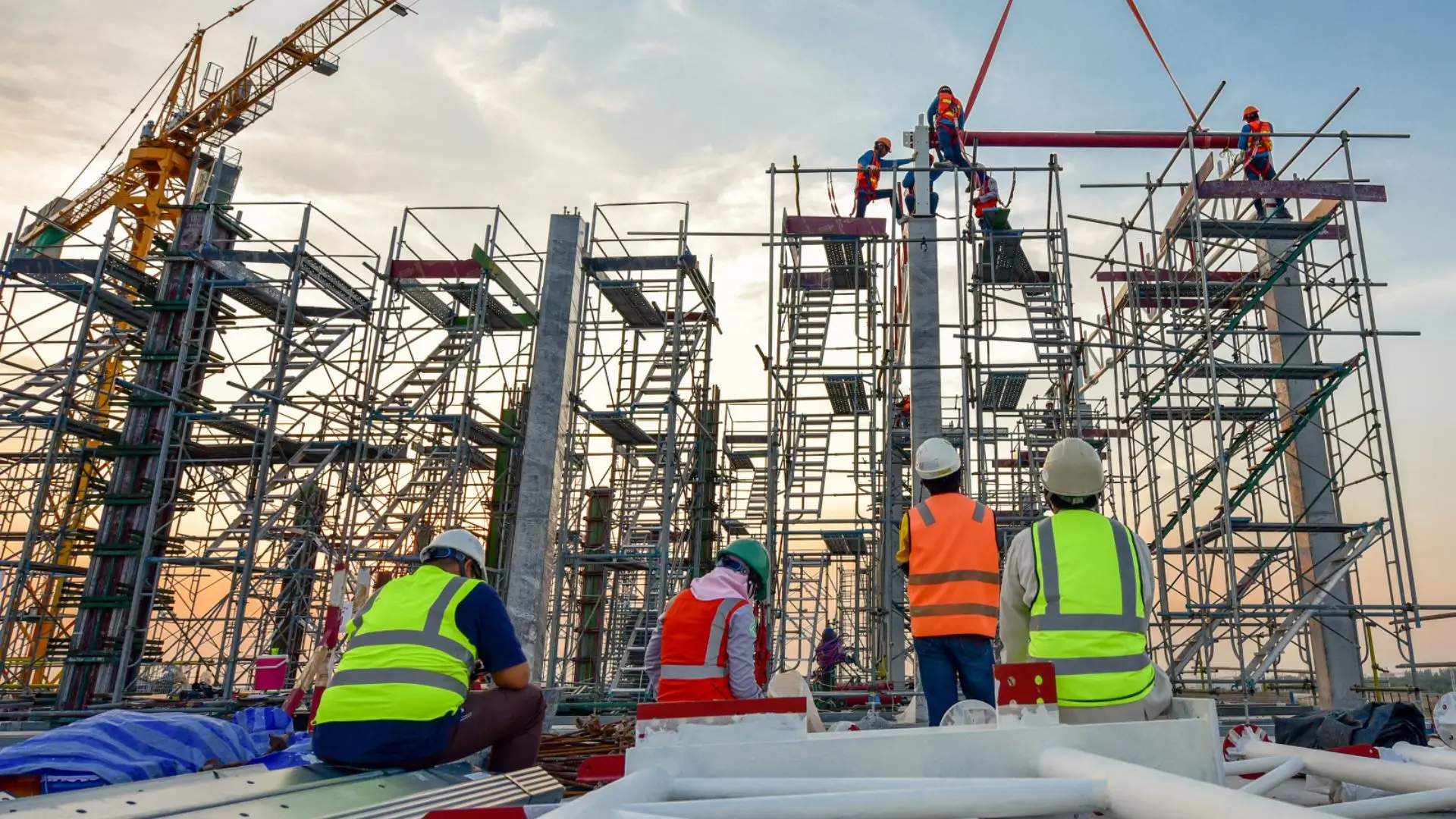
Introduction: The Cost of Rework in Modern Construction
Rework is one of the most expensive and disruptive challenges in construction. It inflates budgets, delays schedules, and strains relationships between project teams. In many cases, rework is not caused by poor execution on site, but by decisions made too late in the design process. Early coordination anchored by robust MEP design services is one of the most effective ways to reduce rework before construction even begins.
Understanding Early MEP Coordination
Early MEP coordination refers to the integration of mechanical, electrical, and plumbing systems during the earliest design phases. Instead of reacting to architectural or structural constraints later, MEP design services proactively shape system layouts, routing strategies, and spatial requirements. This approach transforms coordination from a corrective exercise into a strategic planning function.
Why MEP Design Services Must Start Before Construction Documentation
When MEP design services are introduced only at the construction documentation stage, conflicts are inevitable. Ceiling congestion, shaft limitations, and equipment clearances become last-minute problems. Early involvement allows MEP design services to influence building geometry, ceiling heights, and core layouts, reducing downstream design revisions and construction conflicts.
Common Causes of Rework in Poorly Coordinated Projects
Rework often stems from unresolved clashes between disciplines, inaccurate load assumptions, or incomplete system routing. Without early MEP design services, trades are forced to improvise on site. This leads to relocated systems, added materials, and schedule disruptions that could have been avoided through coordinated design.
The Role of MEP Design Services in Clash Prevention
Clash prevention is one of the most tangible benefits of early MEP coordination. MEP design services identify spatial conflicts between ductwork, piping, electrical conduits, and structural elements before construction. Resolving these issues digitally is faster, less expensive, and far more predictable than resolving them in the field.
Early MEP Coordination and Architectural Alignment
Architectural intent and MEP functionality must evolve together. Early MEP design services ensure that architectural features such as ceiling planes, soffits, and core layouts can accommodate building systems without compromise. This alignment preserves design intent while eliminating the need for architectural revisions during construction.
Structural Integration Through Proactive MEP Design Services
Structural systems often dictate where MEP infrastructure can and cannot go. Early coordination allows MEP design services to work within structural constraints while influencing beam depths, slab openings, and equipment loads. This collaboration prevents costly structural modifications later in the project lifecycle.
How Early Coordination Improves Constructability
Constructability improves when systems are designed with installation in mind. Early MEP design services consider access, sequencing, prefabrication opportunities, and maintenance clearances. These considerations reduce field adjustments and improve installation efficiency, directly lowering the likelihood of rework.
Reducing RFIs and Change Orders with MEP Design Services
Requests for information and change orders are common symptoms of incomplete coordination. Early MEP design services reduce ambiguity by delivering clear, coordinated drawings. Contractors spend less time seeking clarification, and owners benefit from fewer scope changes and budget surprises.
The Impact of BIM-Driven MEP Coordination
Building information modeling enhances the effectiveness of early MEP coordination. BIM-enabled MEP design services allow teams to visualize systems in three dimensions, simulate construction sequencing, and validate spatial relationships. This level of clarity dramatically reduces coordination errors that lead to rework.
Scheduling Benefits of Early MEP Design Services
Rework disrupts schedules as much as budgets. Early MEP coordination streamlines construction sequencing by eliminating conflicts that cause trade stacking or stoppages. With coordinated MEP design services, installations proceed smoothly, supporting predictable timelines and faster project delivery.
Cost Control and Budget Certainty Through Early Coordination
Rework is one of the most significant drivers of cost overruns. Early MEP design services provide accurate quantities, realistic installation strategies, and fewer surprises. This enables more reliable cost estimates and protects project budgets from escalation caused by late-stage design changes.
Risk Mitigation and Compliance Advantages
Early coordination strengthens risk management. MEP design services address code requirements, fire protection interfaces, and energy standards before construction begins. This proactive approach reduces inspection failures and ensures systems comply with regulatory requirements without costly retrofits.
Early MEP Coordination in Complex and Mission-Critical Facilities
Complex facilities such as hospitals, laboratories, aviation projects, and data centers have little tolerance for rework. Early MEP design services are essential in these environments, where redundancy, reliability, and system separation are critical. Coordinated design ensures that performance requirements are met without compromising constructability.
Collaboration Between Owners, Contractors, and MEP Design Teams
Successful early coordination depends on collaboration. When owners, contractors, and MEP design services align early, decisions are made with full visibility into cost, schedule, and performance implications. Firms like Budlong emphasize this collaborative approach to reduce friction and improve outcomes across complex projects.
Long-Term Project Value Created by Early MEP Design Services
The benefits of early coordination extend beyond construction. Well-coordinated MEP design services result in systems that are easier to maintain, adapt, and expand. Reduced rework during construction often translates into improved operational efficiency and lower lifecycle costs.
Early MEP Coordination as a Construction Imperative
Early MEP coordination is not an optional enhancement—it is a construction imperative. By engaging MEP design services at the earliest stages, project teams can eliminate avoidable rework, protect budgets, and deliver buildings that perform as intended. In an increasingly complex built environment, early coordination is the difference between reactive problem-solving and predictable project success.