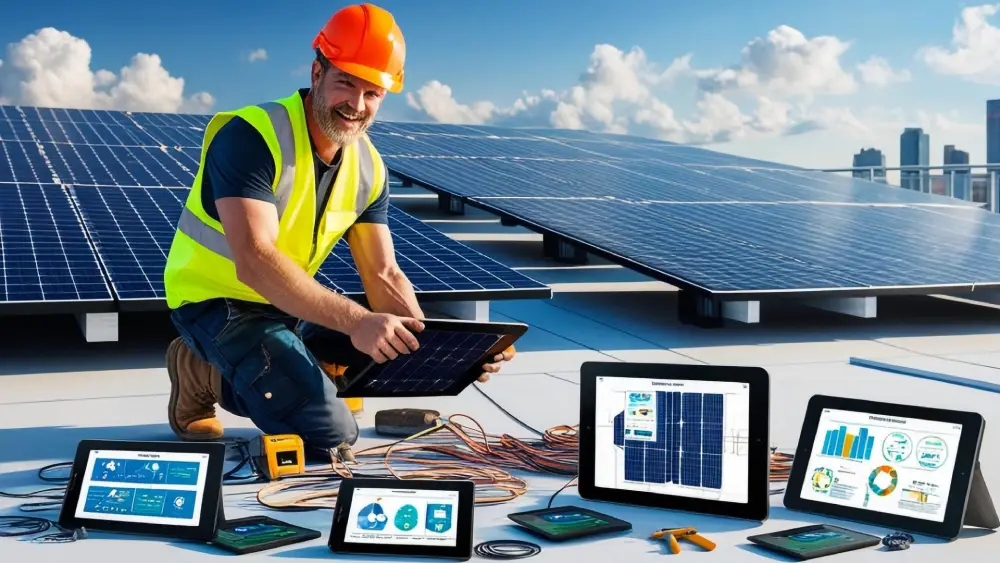
Introduction: The Strategic Importance of Solar Design
Investing in solar energy is a long-term commitment. Beyond installation costs, system performance, reliability, and financial returns hinge on meticulous design. Engaging a high-quality Photovoltaic Design Service ensures optimal energy generation, reduced operational risks, and sustained ROI over the system’s lifetime.
Understanding Photovoltaic Design Services
Definition and scope of a Photovoltaic Design Service
A Photovoltaic Design Service encompasses technical planning, component selection, system layout, and integration to maximize solar energy production.
Core responsibilities and deliverables
Deliverables include site assessments, energy modeling, electrical schematics, system layouts, and performance projections, all aimed at ensuring reliability and financial predictability.
Site Evaluation and Feasibility Analysis
Assessing solar irradiance and shading
Photovoltaic Design Service ensures accurate measurement of sunlight exposure, seasonal variation, and shading patterns is critical for predicting realistic energy generation.
Structural and roof load assessments
Ensuring the rooftop or ground-mount structure can safely support the PV system prevents costly retrofits or damage.
Load Analysis and Energy Forecasting
Calculating current energy consumption
Analyzing present energy use allows precise system sizing and maximizes efficiency.
Anticipating future energy demand
Forecasting growth ensures the system remains relevant and capable of meeting evolving operational needs.
System Sizing and Capacity Planning
Determining optimal system size
Designing a system that balances available space, budget, and energy needs prevents under- or over-sizing.
Balancing generation with operational demand
Photovoltaic Design Service ensures accurate capacity planning, and the PV system efficiently offsets electricity costs and enhances ROI.
Component Selection
Choosing high-efficiency PV modules
Premium modules maximize energy yield and longevity, reducing degradation over time.
Selecting inverters and balance-of-system equipment
Appropriate inverters and BOS components ensure reliable energy conversion and system resilience.
System Layout and Optimization
Panel orientation, tilt, and spacing
Optimized layout maximizes sunlight capture and minimizes self-shading, enhancing overall efficiency.
Minimizing shading and maximizing energy yield
Strategic placement avoids obstructions, improving consistent energy output and financial returns.
Electrical Integration and Safety Measures
Grid connection and building integration
Seamless synchronization with building electrical systems ensures operational reliability.
Surge protection, grounding, and code compliance
Safety measures protect equipment and occupants while ensuring adherence to regulations.
Energy Storage and Management
Battery selection and placement strategies
Properly sized batteries provide backup power and support load management.
Optimizing storage for peak demand and backup
Energy storage allows peak shaving and operational flexibility, enhancing cost efficiency.
Performance Modeling and Simulation
Using software to predict energy production
Simulation tools forecast system performance under various conditions, minimizing uncertainties.
Stress-testing system designs for reliability
Predicting potential performance challenges ensures robust and dependable systems.
Monitoring and Predictive Maintenance
Real-time monitoring of energy output
Continuous monitoring identifies inefficiencies and enables quick corrective actions.
Scheduled and predictive maintenance planning
Planned inspections and data-driven maintenance enhance system longevity and ROI.
Regulatory Compliance and Incentive Optimization
Navigating permits, interconnection, and local codes
Compliance ensures smooth approvals and legal operation.
Maximizing rebates, net metering, and incentives
Proper planning capitalizes on financial incentives, improving project economics.
Financial Analysis and ROI Estimation
Evaluating upfront costs versus long-term savings
Comprehensive analysis highlights the economic advantage of investing in quality design services.
Payback period and net present value calculations
Accurate ROI calculations inform stakeholders of expected financial returns.
Risk Assessment and Mitigation
Identifying technical and operational risks
Assessing potential failures or inefficiencies early prevents costly downtime.
Contingency planning to ensure consistent performance
Backup strategies and system redundancies secure long-term reliability.
Scalability and Future Expansion
Designing for incremental growth
Systems can be scaled as energy needs evolve, preventing obsolescence.
Adapting systems to evolving energy needs
Flexible layouts allow integration of additional modules or storage without major disruption.
Technological Innovations
Incorporating high-efficiency modules and inverters
Advanced components increase output and extend system lifespan.
Leveraging smart monitoring and IoT systems
IoT-enabled monitoring and automation optimize performance and reduce operational costs.
Sustainability and Environmental Impact
Reducing carbon footprint
Solar energy significantly lowers greenhouse gas emissions, promoting sustainability.
Supporting green building certifications
Designs aligned with green standards facilitate LEED or other certifications, adding value to properties.
Case Studies of Successful ROI
Commercial rooftop photovoltaic project
A 250 kW commercial rooftop system leveraged expert design, achieving 20% higher energy yield and a 6-year payback period.
Utility-scale solar farm implementation
A 50 MW solar farm applied advanced design and predictive maintenance, ensuring reliable output and predictable financial returns.
Conclusion: Selecting the Ideal Photovoltaic Design Service
Key differentiators for long-term success
Technical expertise, optimized layouts, accurate load forecasting, and integration of advanced technologies differentiate top-tier services.
Recommendations for developers and investors
Engaging a professional Photovoltaic Design Service from the outset ensures optimized energy production, financial predictability, and long-term ROI, making it a critical investment for sustainable solar projects.