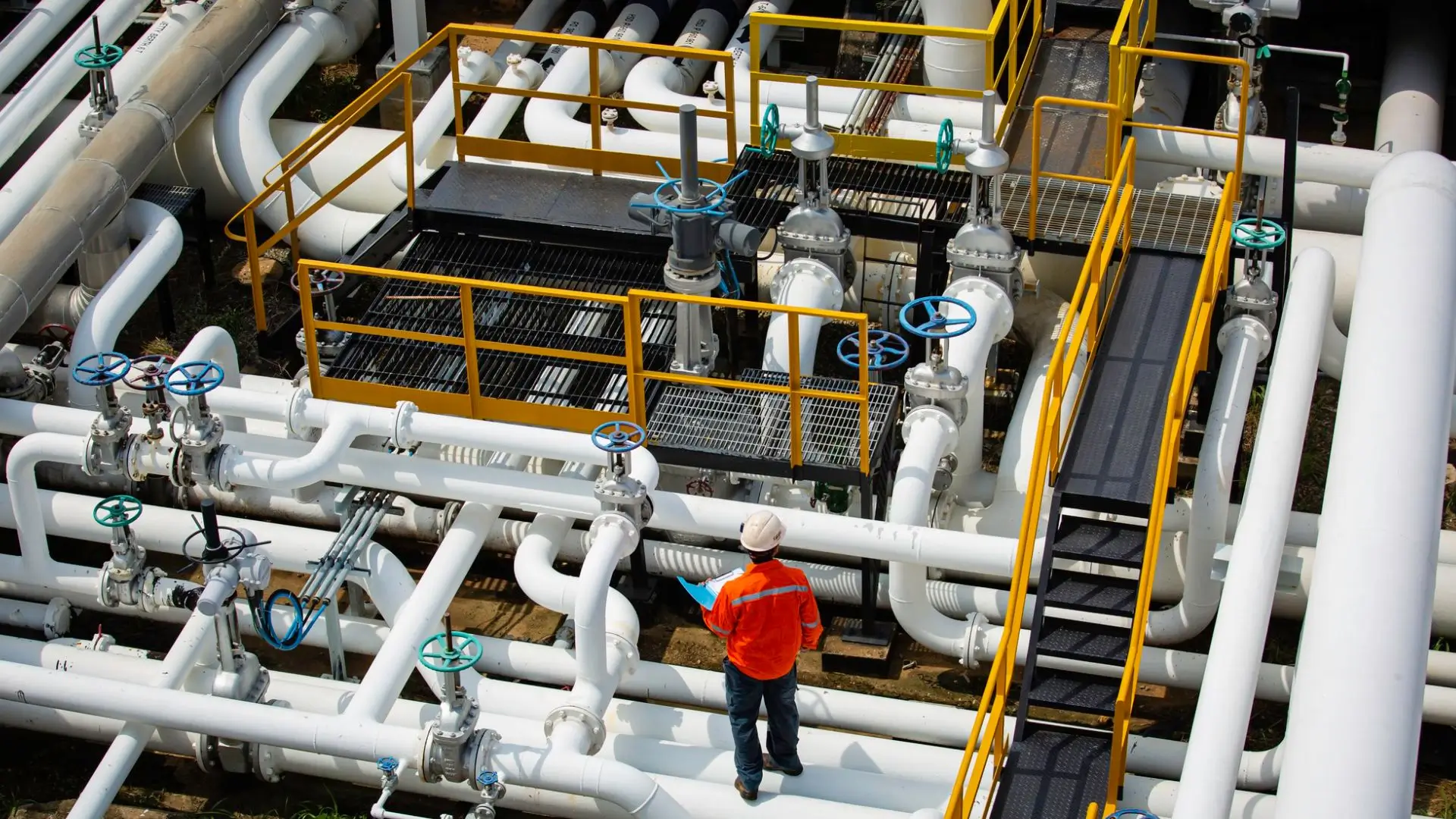
Introduction: The Complexity of MEP Plumbing at Scale
Large-scale developments introduce a level of complexity that demands precision in planning and execution. Towers, campuses, mixed-use complexes, and institutional facilities place extraordinary demands on water distribution and waste systems. MEP plumbing plays a central role in ensuring these developments function reliably, efficiently, and safely over decades of operation.
Understanding the Role of MEP Plumbing in Large Developments
MEP plumbing is more than a support system. It enables sanitation, occupant comfort, fire protection, and operational continuity. In large developments, MEP plumbing must accommodate diverse usage patterns, extended distribution networks, and fluctuating demand without compromising performance or safety.
Early Planning and Coordination for MEP Plumbing Systems
Successful MEP plumbing begins early in the design process. Early coordination with architectural and structural teams allows engineers to plan shafts, risers, and equipment rooms efficiently. Proactive MEP plumbing coordination reduces conflicts, minimizes rework, and establishes a clear framework for scalable system design.
Pressure Zoning and Vertical Distribution Strategies
High-rise and expansive facilities require sophisticated pressure management. Plumbing best practices include pressure zoning, booster pump systems, and intermediate storage to maintain consistent service. These strategies prevent excessive pressure, reduce pipe stress, and ensure occupant comfort across all floors.
Water Demand Analysis and System Sizing
Accurate demand analysis is essential for effective MEP plumbing. Engineers evaluate fixture counts, occupancy profiles, and simultaneous usage to size systems appropriately. Properly sized MEP plumbing systems avoid energy waste, reduce wear on equipment, and support reliable long-term performance.
Redundancy and Reliability in MEP Plumbing Design
Large developments cannot tolerate prolonged outages. Plumbing best practices emphasize redundancy through parallel piping, backup pumps, and isolation valves. These features allow maintenance and repairs without full system shutdown, protecting operations and occupant health.
Water Efficiency and Conservation Best Practices
Water conservation is both an environmental and operational priority. Plumbing design integrates low-flow fixtures, efficient hot water systems, and optimized recirculation loops. These measures reduce water consumption while lowering the energy required for heating and pumping.
Integration of MEP Plumbing with Mechanical and Electrical Systems
MEP plumbing does not operate in isolation. Integration with mechanical and electrical systems is critical for coordinated performance. Plumbing must align with HVAC condensate management, electrical power for pumps, and fire protection systems to ensure seamless operation across the building.
Designing for Maintenance, Access, and Long-Term Operation
Ease of maintenance is a defining feature of effective plumbing. Clear access to valves, pumps, and equipment reduces downtime and service costs. Designing MEP plumbing with long-term operation in mind extends system life and simplifies future upgrades or expansions.
Code Compliance and Risk Management in Large-Scale Plumbing
Large developments face heightened regulatory scrutiny. plumbing must comply with local codes, health regulations, and safety standards. Thorough documentation, testing protocols, and inspection coordination reduce risk and prevent costly compliance issues during construction and operation.
Technology, Monitoring, and Smart Plumbing Systems
Modern MEP plumbing increasingly relies on monitoring and automation. Leak detection, flow monitoring, and pressure sensors provide real-time visibility into system performance. These technologies support proactive maintenance, reduce water loss, and improve overall system resilience.
Delivering Scalable, Resilient MEP Plumbing Systems
Best practices in plumbing focus on scalability, reliability, and efficiency. When systems are planned early, coordinated effectively, and designed for long-term performance, large-scale developments benefit from reduced risk and predictable operation. Firms with extensive experience in complex, multi-building projects—such as Budlong—demonstrate how disciplined MEP plumbing design supports resilient infrastructure that performs at scale.