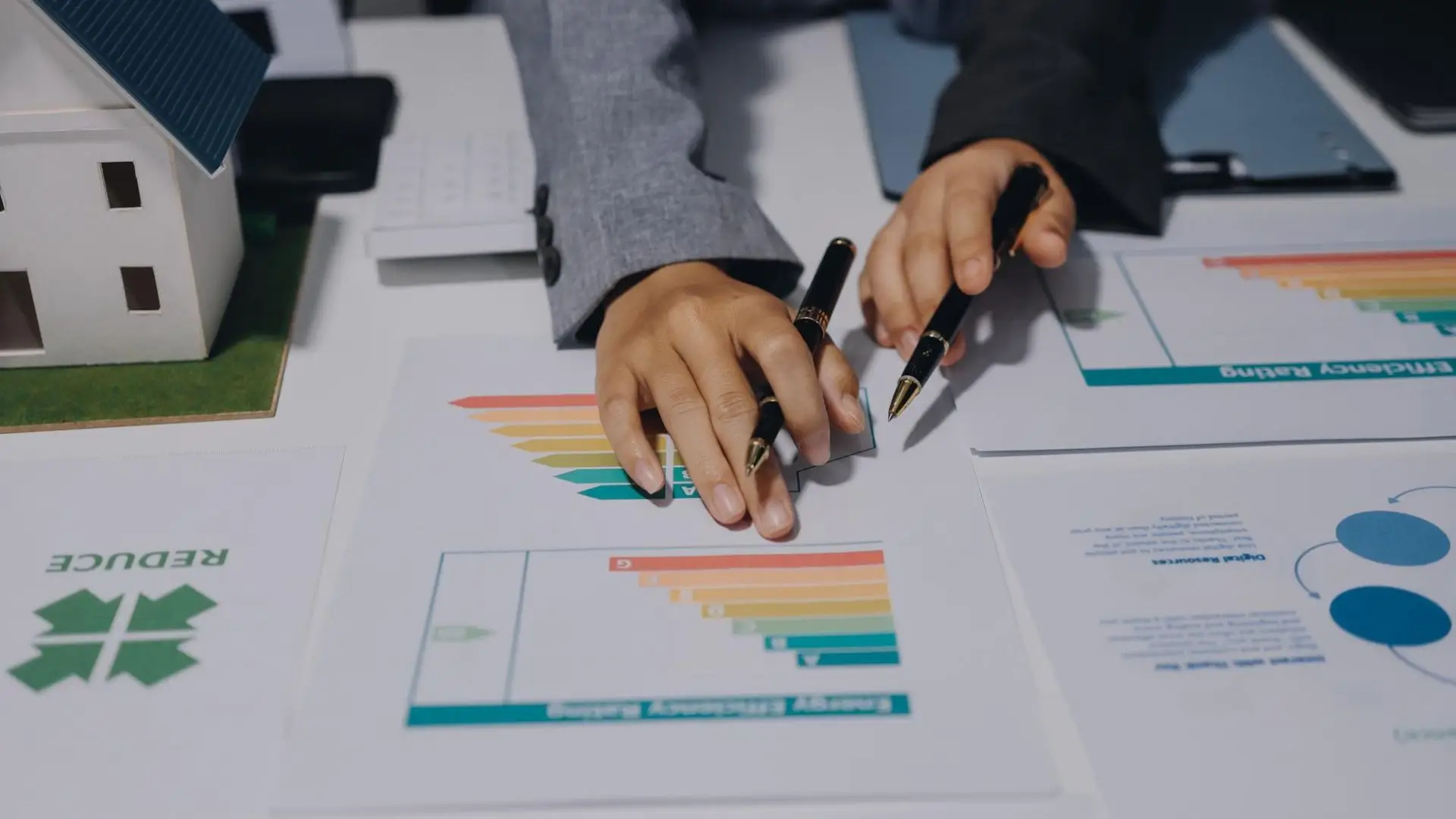
Introduction: Operating Costs as the Hidden Cost Driver
Construction budgets often receive the most attention during development, but operating costs quietly determine a building’s long-term financial performance. Energy bills, maintenance expenses, and system replacements accumulate year after year. Energy efficiency in MEP design directly addresses these ongoing costs by reducing waste, improving system performance, and creating predictable operational outcomes.
Understanding Energy Efficiency in MEP Design
Energy efficiency in MEP design refers to the intentional planning and integration of mechanical, electrical, and plumbing systems to minimize energy consumption while maintaining performance. It focuses on how systems interact, respond to demand, and adapt to real-world operating conditions. When applied early, energy efficiency in MEP design becomes a structural advantage rather than a corrective measure.
Why MEP Design Decisions Determine Long-Term Operating Expenses
MEP systems are the largest consumers of energy in most buildings. Design choices related to system layout, equipment selection, and controls define how much energy is consumed daily. Energy efficiency in MEP design ensures these decisions support operational economy rather than lock in inefficiencies that inflate costs over time. Actual building performance can differ from modeled projections, so understanding the performance gap between model and meter is important when evaluating expected energy and operating-cost savings.
Energy Modeling as the Foundation of Efficient MEP Design
Energy modeling provides a predictive view of building performance before construction begins. Through simulation, engineers evaluate how different systems behave under varying loads and climates. Energy efficiency in MEP design relies on this data-driven approach to select systems that balance performance with cost control.
HVAC Optimization and Energy Efficiency in MEP Design
Heating and cooling systems represent a significant portion of operating expenses. Energy efficiency in MEP design optimizes HVAC performance through zoning, variable-speed equipment, heat recovery, and demand-based ventilation. These strategies reduce unnecessary runtime and lower energy consumption without sacrificing comfort.
Electrical System Efficiency and Load Management
Electrical systems influence both energy use and utility demand charges. Energy efficiency in MEP design improves electrical performance through efficient distribution layouts, power factor correction, and intelligent load management. These measures reduce losses and stabilize energy costs across varying operating conditions.
Plumbing Design Strategies That Lower Utility Costs
Water use has both direct and indirect energy implications. Energy efficiency in MEP design addresses plumbing through efficient fixture selection, pressure optimization, and hot water system design. Reduced water consumption lowers utility costs while decreasing the energy required for heating and pumping.
Right-Sizing Equipment to Avoid Energy Waste
Oversized equipment is a common source of inefficiency. Energy efficiency in MEP design emphasizes right-sizing based on actual demand rather than conservative assumptions. Properly sized systems operate more efficiently, experience less wear, and consume less energy throughout their service life.
Controls, Automation, and Smart System Integration
Controls transform static systems into responsive infrastructure. Energy efficiency in MEP design incorporates automation, sensors, and analytics to adjust performance in real time. Smart controls ensure systems operate only when needed, eliminating energy waste during low-occupancy or off-peak periods.
Reducing Maintenance Costs Through Energy-Efficient MEP Design
Efficient systems experience less stress and degradation. Energy efficiency in MEP design reduces maintenance costs by minimizing short cycling, excessive runtime, and thermal stress. Over time, this leads to fewer service calls, reduced downtime, and lower replacement costs.
Energy Efficiency in MEP Design and Peak Demand Reduction
Peak demand charges often represent a substantial portion of energy bills. Energy efficiency in MEP design mitigates these costs through load shifting, demand response strategies, and energy storage integration. Lower peak demand improves financial predictability and utility cost control.
Improving Equipment Longevity Through Efficient Design
System longevity is directly tied to operating conditions. Energy efficiency in MEP design promotes stable performance, balanced loads, and controlled cycling. Equipment that operates within optimal ranges lasts longer, delaying capital expenditures for replacement.
The Role of Commissioning in Sustaining Energy Efficiency
Commissioning validates that systems perform as designed. Energy efficiency in MEP design is sustained through proper commissioning, calibration, and verification. Without this step, even well-designed systems can drift into inefficient operation shortly after occupancy.
Energy-Efficient MEP Design in Complex and High-Use Facilities
Facilities with high occupancy or specialized functions face intensified energy demands. Energy efficiency in MEP design is especially valuable in healthcare, laboratories, aviation, and large commercial environments where systems operate continuously. Efficient design in these settings yields substantial operational savings.
Financial Predictability and Lifecycle Cost Benefits
Operating cost volatility creates financial risk. Energy efficiency in MEP design delivers predictable energy use and maintenance expenses, supporting long-term financial planning. Lifecycle cost analysis consistently shows that efficient MEP systems outperform lower-cost alternatives over time. Understanding the ASHRAE audit levels helps determine the appropriate depth of energy analysis when diagnosing operating costs and identifying efficiency measures.
Aligning Energy Efficiency with Sustainability and Compliance Goals
Energy efficiency supports broader sustainability objectives while meeting regulatory requirements. Energy efficiency in MEP design aligns operational performance with evolving energy codes, emissions targets, and corporate sustainability commitments. This alignment reduces future compliance costs and retrofit risks.
Energy-Efficient MEP Design as a Long-Term Cost Strategy
Energy efficiency in MEP design is not a premium feature—it is a cost strategy. By reducing energy consumption, extending equipment life, and stabilizing operating expenses, efficient MEP systems protect asset value. Firms with deep expertise in integrated, performance-driven design, such as Budlong, demonstrate how thoughtful engineering transforms energy efficiency into measurable financial outcomes.