High-rise residential buildings are the heartbeat of modern urban living—vertical communities that combine functionality, comfort, and sustainability within limited footprints. Yet, behind the elegant architecture and panoramic views lies a complex web of systems that make these structures livable, safe, and efficient.
That web is made possible by MEP (Mechanical, Electrical, and Plumbing) engineering.
From ensuring reliable water pressure at the 40th floor to maintaining consistent indoor air quality and power distribution across hundreds of units, MEP design is what makes a skyscraper more than just concrete and glass—it makes it habitable.
Let’s explore the key MEP challenges and solutions that define the success of today’s high-rise residential projects.
Understanding the MEP Demands of High-Rise Living
Unlike low-rise buildings, high-rises operate as vertical ecosystems. Systems must perform reliably under variable loads, high pressure, and strict safety codes.
Each MEP discipline plays a unique yet interconnected role:
- Mechanical systems (HVAC) regulate air quality and comfort across multiple zones.
- Electrical systems ensure power stability, backup, and smart controls.
- Plumbing systems manage water delivery and waste removal under significant vertical pressure.
The challenge lies in integrating these disciplines to perform seamlessly under the constraints of height, density, and efficiency.
1. Mechanical Systems: Zoned Comfort and Energy Efficiency
One of the biggest hurdles in high-rise design is achieving uniform comfort across different elevations. Temperature, air pressure, and solar heat gain vary dramatically between floors.
Key Solutions:
- Zoned HVAC systems: Dividing the building into thermal zones allows for precise temperature control.
- Variable Refrigerant Flow (VRF) technology: Delivers energy-efficient heating and cooling tailored to occupancy and load.
- Energy Recovery Ventilators (ERVs): Capture waste heat from exhaust air to precondition incoming fresh air.
- Central plant optimization: Advanced control systems balance chillers, pumps, and air handlers for maximum performance.
Additionally, natural ventilation strategies can be integrated into design where code permits, improving both sustainability and occupant well-being.
2. Electrical Design: Power Distribution and Smart Integration
Electrical engineering in high-rise buildings is about reliability and scalability.
Power must be distributed efficiently from a central substation to hundreds of residential units, common areas, elevators, and life-safety systems—without voltage drops or overloads.
Electrical Solutions:
- Bus duct systems for compact, modular power distribution.
- Smart metering for unit-level energy tracking and billing.
- Emergency backup systems including diesel or gas generators with automatic transfer switches.
- LED lighting and occupancy sensors for common areas to reduce power waste.
The latest developments include smart building automation platforms, enabling residents to control lighting, HVAC, and appliances via apps or voice commands—integrating comfort with convenience.
3. Plumbing Systems: Pressure Management and Water Efficiency
High-rise plumbing design revolves around pressure control and system redundancy. Delivering consistent water pressure to upper floors without overloading lower-level fixtures requires precision engineering.
Effective Approaches:
- Zoned pressure systems that divide the building into vertical pressure zones.
- Booster pump sets and pressure-reducing valves (PRVs) to stabilize water flow.
- Greywater recycling systems for irrigation and flushing.
- Low-flow fixtures and smart leak detection systems for sustainability and maintenance savings.
Efficient drainage design is equally critical—gravity flow systems are supplemented with vacuum or pumped drainage where elevation changes pose challenges.
4. Fire Safety and Life Safety Systems
In a high-rise, fire protection is non-negotiable. Engineers must ensure full compliance with NFPA, IBC, and local fire codes.
Core systems include:
- Automatic sprinkler systems with dedicated water storage and pumps.
- Fire-rated shafts and smoke control fans to manage vertical spread.
- Emergency pressurization systems for stairwells and elevators.
- Fire alarm networks integrated with building automation systems.
Safety redundancy is built into every level, ensuring occupants can evacuate safely and first responders can act quickly during emergencies.
5. Sustainability and Energy Optimization
Modern high-rises are designed with long-term energy efficiency in mind.
MEP engineers employ:
- High-efficiency chillers and heat pumps
- Demand-controlled ventilation (DCV)
- Solar PV systems for common area power
- Smart water management systems for leak detection and conservation
These strategies not only lower operating costs but also help projects achieve LEED or WELL certifications, making them more marketable and environmentally responsible.
6. Acoustics and Indoor Air Quality (IAQ)
Dense vertical structures require careful control of sound and air.
MEP engineers ensure:
- Proper duct routing and insulation to minimize noise transfer.
- Air filtration and UV-C systems to maintain air quality.
- Airflow zoning that prevents cross-contamination between units—critical in post-pandemic design standards.
7. Integration Through BIM and Digital Coordination
With so many interconnected systems, Building Information Modeling (BIM) has become indispensable.
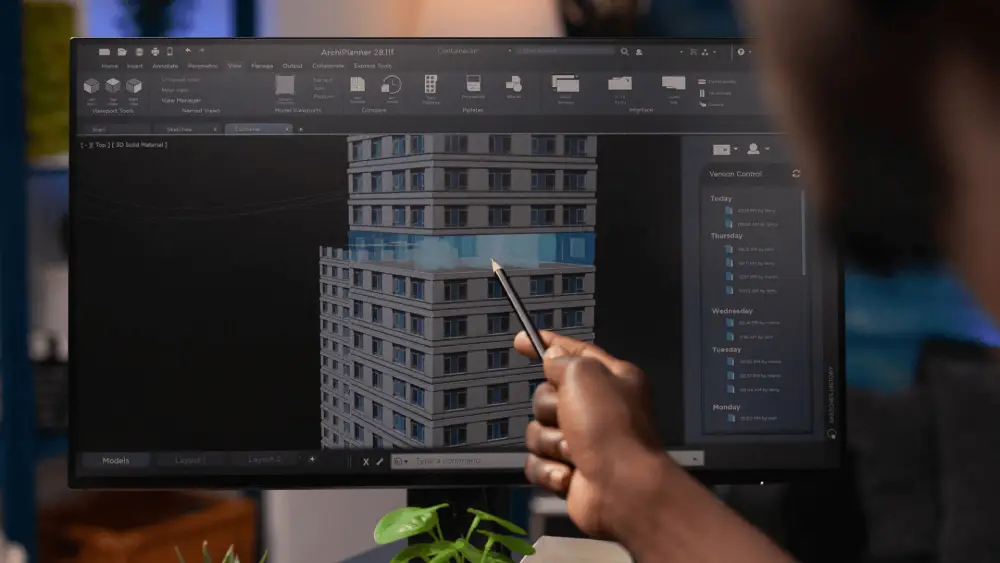
BIM allows teams to visualize every pipe, conduit, and duct in 3D, ensuring no clashes occur between disciplines. It streamlines coordination, reduces rework, and ensures constructability—key for complex vertical projects.
Budlong Perspective: Engineering Vertical Living at Its Best
At Budlong, we approach high-rise residential design with one guiding principle—integrated precision.
Our MEP teams collaborate from the earliest concept stage, ensuring every system is coordinated for performance, efficiency, and sustainability.
From mechanical zoning to pressure management and smart power integration, Budlong engineers create living environments that are comfortable, reliable, and future-ready.
Every design we deliver supports developers’ goals for long-term efficiency, resident satisfaction, and compliance with evolving codes.
Conclusion
High-rise residential projects represent the pinnacle of modern engineering collaboration. Success depends on how seamlessly MEP systems work together to deliver comfort, safety, and sustainability—floor after floor.
Through advanced modeling, efficient systems, and smart integration, MEP engineers turn vertical structures into thriving residential ecosystems.
As cities continue to rise skyward, the future of comfortable urban living will be built on intelligent MEP design.