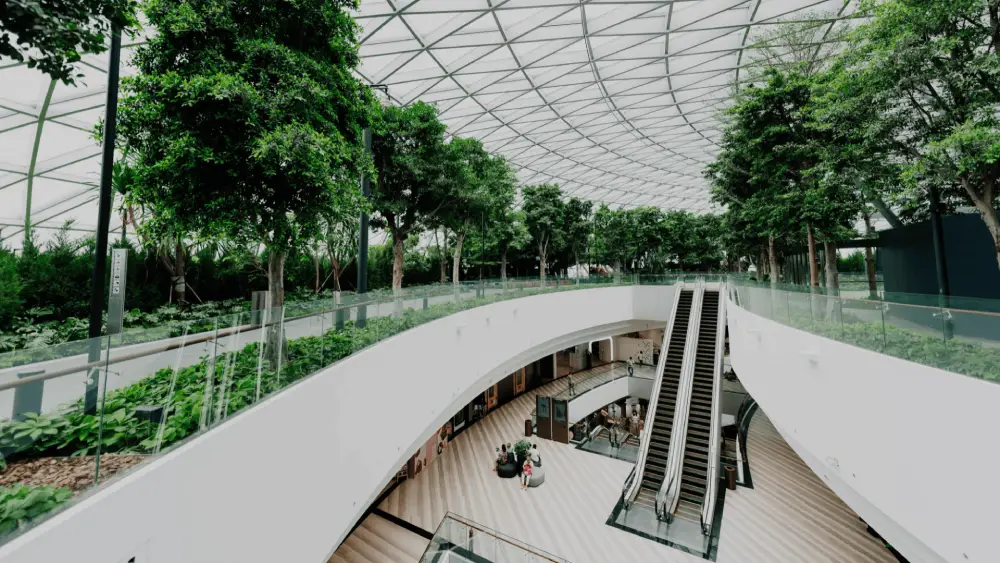
Sustainability is no longer just a design preference—it’s a global imperative. As organizations worldwide aim to reduce their carbon footprints, LEED-certified buildings have become the benchmark for sustainable architecture. But while the design aesthetics often get the spotlight, it’s the Mechanical, Electrical, and Plumbing (MEP) engineering that truly determines whether a building achieves its green goals.
From energy efficiency and water conservation to indoor environmental quality, MEP systems play a decisive role in achieving and maintaining LEED certification. Let’s explore how MEP engineering makes a measurable difference in sustainable building design.
What Is LEED Certification?
LEED (Leadership in Energy and Environmental Design) is a globally recognized green building rating system developed by the U.S. Green Building Council (USGBC). It provides a framework for designing, constructing, and operating buildings that are environmentally responsible, energy-efficient, and resource-conscious.
Buildings are evaluated across several categories, including:
- Energy and Atmosphere
- Water Efficiency
- Indoor Environmental Quality (IEQ)
- Sustainable Sites
- Materials and Resources
- Innovation in Design
Each area contributes points toward certification, and the final LEED level is determined based on the total score:
- Certified (40–49 points)
- Silver (50–59 points)
- Gold (60–79 points)
- Platinum (80+ points)
Achieving these certifications isn’t just about architectural beauty—it’s about engineering performance. That’s where MEP systems come into play.
The Role of MEP Engineering in LEED-Certified Buildings
1. Energy Efficiency: The Heart of LEED
Energy efficiency is the single most heavily weighted category in LEED scoring, and mechanical and electrical design drive much of it.
Efficient HVAC systems, lighting design, and building automation can reduce energy consumption dramatically.
Key strategies include:
- Designing high-efficiency chillers, boilers, and air handling units
- Incorporating Variable Refrigerant Flow (VRF) and energy recovery systems
- Using LED lighting with smart occupancy sensors
- Integrating Building Management Systems (BMS) for data-driven optimization
By optimizing how energy is generated, distributed, and consumed, MEP engineers help buildings perform better and qualify for more LEED points.
2. Water Conservation and Plumbing Innovation
Water efficiency is another critical factor in LEED certification. MEP engineers are responsible for designing systems that minimize waste and encourage responsible consumption.
Modern plumbing designs include:
- Low-flow fixtures such as faucets and toilets
- Greywater and rainwater harvesting systems
- Water-efficient irrigation designs
- Smart metering to monitor and manage usage
These systems not only help buildings meet LEED requirements but also lead to long-term operational savings.
3. Indoor Environmental Quality (IEQ)
LEED places strong emphasis on occupant health and comfort—areas directly influenced by MEP systems. HVAC design, in particular, determines the air quality, temperature control, and ventilation efficiency within a space.
MEP engineers ensure:
- Proper ventilation rates and air filtration (using MERV 13 or higher filters)
- CO₂ monitoring to regulate fresh air intake
- Low-emitting materials to minimize VOCs and indoor pollutants
- Thermal comfort modeling to ensure consistent indoor conditions
A well-engineered MEP system creates an environment that’s not only energy-efficient but also healthy and productive for its occupants.
4. Renewable Energy Integration
LEED encourages the adoption of renewable energy sources—an area where electrical engineers play a crucial role.
By incorporating solar panels, wind turbines, or geothermal systems, MEP engineers help offset a building’s carbon footprint.
Electrical designs now often include:
- Photovoltaic (PV) systems for on-site renewable generation
- Battery energy storage systems (BESS) for improved grid independence
- Smart inverters and controls to balance renewable input with demand
These integrations boost a project’s LEED score while also supporting long-term sustainability.
5. Materials, Waste, and Lifecycle Considerations
Sustainable MEP design goes beyond just energy—it also considers materials and lifecycle impacts.
Engineers today prioritize:
- Low-impact refrigerants with low global warming potential (GWP)
- Recyclable materials in ductwork, piping, and wiring
- Prefabrication and modular installation to reduce waste
- Lifecycle cost analysis (LCCA) to evaluate long-term sustainability
This approach ensures that sustainability is embedded into the infrastructure—not just added as a feature.
MEP Design Strategies That Boost LEED Points
To maximize LEED credits, engineers often implement specific strategies during the design and construction phases:
- Building Energy Modeling (BEM): Understanding the distinction between a compliance model versus design model helps teams use energy simulation appropriately for LEED performance and early design decisions.
- Commissioning Plans: Ensuring all MEP systems perform as intended post-installation.
- Daylighting and Lighting Controls: Reducing artificial lighting needs with smart sensors and natural light utilization.
- Submetering: Tracking usage across systems to support performance verification and future improvements.
These practices ensure that sustainability goals translate into measurable outcomes.
Real-World Impact: Why It Matters
LEED-certified buildings not only consume less energy and water but also have higher occupancy rates and asset values. Tenants increasingly seek spaces that align with their environmental and corporate social responsibility (CSR) goals.
Moreover, governments and municipalities often offer incentives and tax benefits for LEED-certified projects, making sustainable design a financially sound choice.
The Budlong Perspective
At Budlong, MEP engineering goes beyond technical design—it’s about shaping sustainable, efficient, and resilient spaces. Our teams collaborate closely with architects and developers to ensure every system contributes to the overall environmental goals of a project. A strong example is Budlong’s LEED Gold affordable housing project, which combines sustainable MEP design with an all-electric building approach.
By integrating energy modeling, smart controls, and green materials, Budlong helps clients not only achieve LEED certification but also create buildings that perform efficiently for decades. A representative example is the LEED Silver affordable housing in Coachella, where these sustainable design principles support the project’s residential goals.
Conclusion
LEED-certified design is the gold standard for sustainability—and MEP engineering is the backbone that makes it achievable. Through innovation, precision, and environmental responsibility, MEP engineers bridge the gap between vision and performance.
As buildings continue to evolve toward a net-zero future, one thing remains clear: without advanced MEP engineering, sustainability is just a concept—never a reality.