Introduction
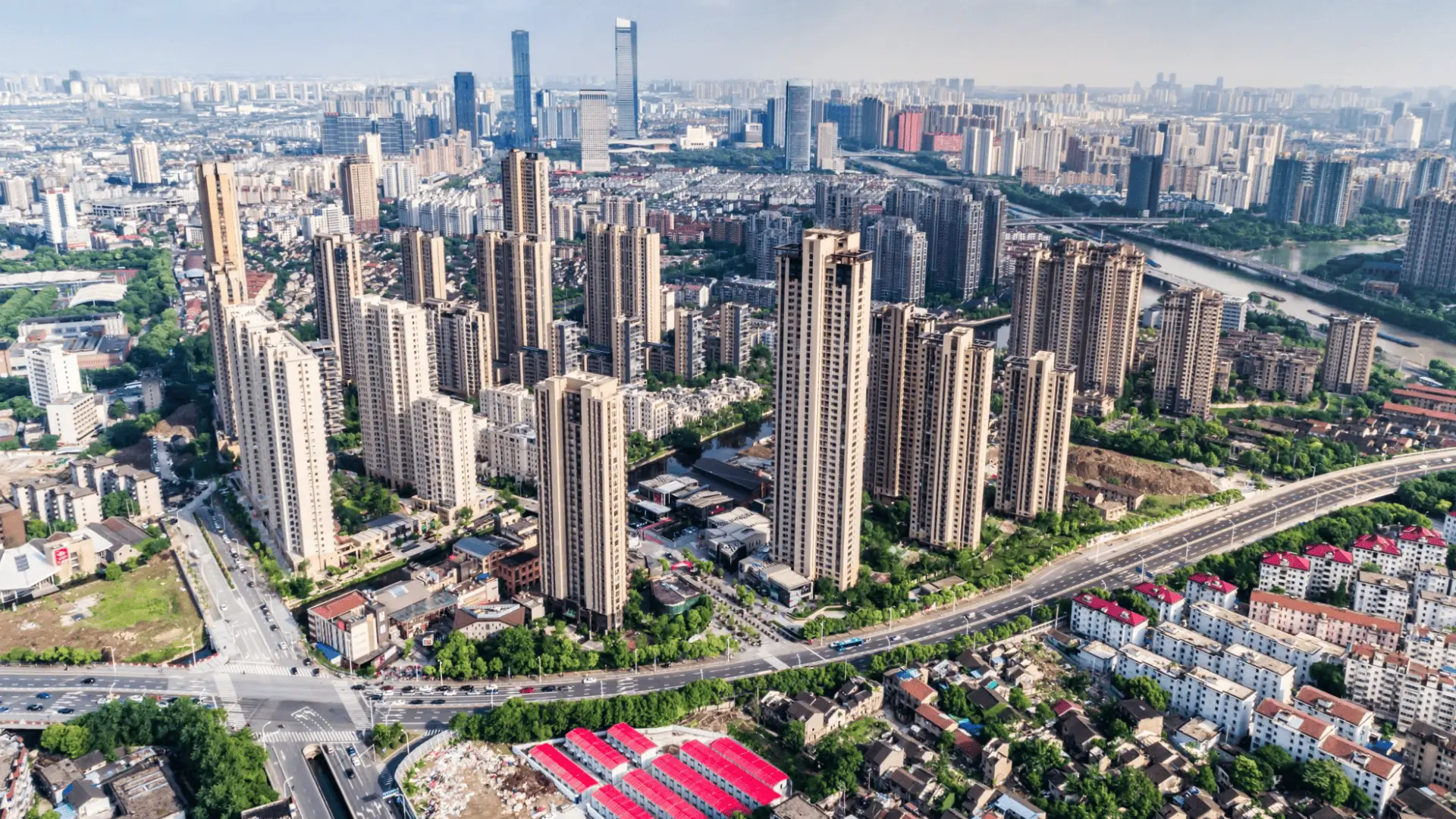
The cities of tomorrow will be defined not just by their architecture but by their sustainability. Sustainable design principles are at the core of this transformation, shaping urban spaces that are energy-efficient, resilient, and people-focused. From reducing carbon footprints to enhancing livability, these principles guide architects, engineers, and developers toward smarter, greener solutions.
At Budlong, we incorporate sustainable design principles into every project, ensuring that buildings and infrastructure support both environmental responsibility and long-term operational efficiency.
1. Energy Efficiency as a Cornerstone
Energy-efficient systems reduce greenhouse gas emissions and operating costs. By integrating high-performance HVAC, LED lighting, and smart building controls, projects can meet sustainability goals while enhancing occupant comfort.
2. Water Conservation Strategies
Effective water management is essential in urban environments. Using rainwater harvesting, greywater recycling, and low-flow fixtures, designers can reduce water consumption while supporting municipal infrastructure.
3. Sustainable Materials and Construction Practices
Choosing materials with low environmental impact, durability, and recyclability is fundamental. Budlong emphasizes eco-friendly construction practices, from sourcing responsibly to minimizing construction waste.
4. Passive Design Techniques
Passive design reduces energy demand through building orientation, natural ventilation, daylighting, and thermal mass. These strategies leverage climate-responsive architecture to lower energy consumption naturally.
5. Green Roofs and Urban Landscaping
Vegetative roofs, green walls, and landscaped open spaces improve air quality, manage stormwater, and reduce urban heat islands. These sustainable design principles also enhance occupant wellbeing and urban biodiversity.
6. Resilient and Adaptive Infrastructure
Cities face increasingly frequent extreme weather events. Resilient designs incorporate redundancy, flexibility, and robust structural elements to withstand natural disasters and adapt to future needs.
7. Integration of Renewable Energy Sources
Solar panels, wind turbines, and other renewable energy systems reduce reliance on fossil fuels. Budlong integrates these technologies within sustainable design principles to ensure maximum efficiency and grid compatibility.
8. Smart Building Technologies
Advanced sensors, automation, and energy management systems help monitor and optimize resource use. By integrating smart building solutions, cities can operate more efficiently and reduce environmental impact.
9. Enhancing Indoor Environmental Quality
Healthy indoor environments improve occupant productivity and wellness. By prioritizing air quality, thermal comfort, and natural lighting, sustainable design principles ensure that buildings are not only efficient but also human-centric.
10. Community and Mobility Considerations
Sustainability extends beyond individual buildings. Urban planning that promotes walkability, public transit, and mixed-use spaces contributes to lower emissions, reduced congestion, and more livable communities.
Implementing Sustainable Design Principles with Budlong
| Principle | Budlong’s Implementation |
|---|---|
| Energy Efficiency | High-performance HVAC, LED lighting, smart controls |
| Water Conservation | Rainwater harvesting, greywater reuse, low-flow fixtures |
| Sustainable Materials | Eco-friendly sourcing, waste reduction, durable materials |
| Passive Design | Optimized building orientation, daylighting, natural ventilation |
| Green Roofs & Landscaping | Vegetative roofs, green walls, biodiversity-focused spaces |
| Resilient Infrastructure | Redundancy, flexible systems, disaster-resistant structures |
| Renewable Energy | Solar, wind, and integrated grid solutions |
| Smart Technologies | Automation, sensors, and real-time energy monitoring |
| Indoor Environmental Quality | Air quality, thermal comfort, daylight optimization |
| Community & Mobility | Walkable neighborhoods, transit-friendly design, mixed-use spaces |
Conclusion
The future of urban development depends on applying sustainable design principles consistently and thoughtfully. Budlong integrates these strategies into projects to reduce environmental impact, enhance livability, and deliver lasting value. By combining innovation, engineering expertise, and holistic planning, we help cities become greener, smarter, and more resilient—one project at a time.